


Curated By: Business Desk
Last Updated: August 21, 2023, 14:45 IST
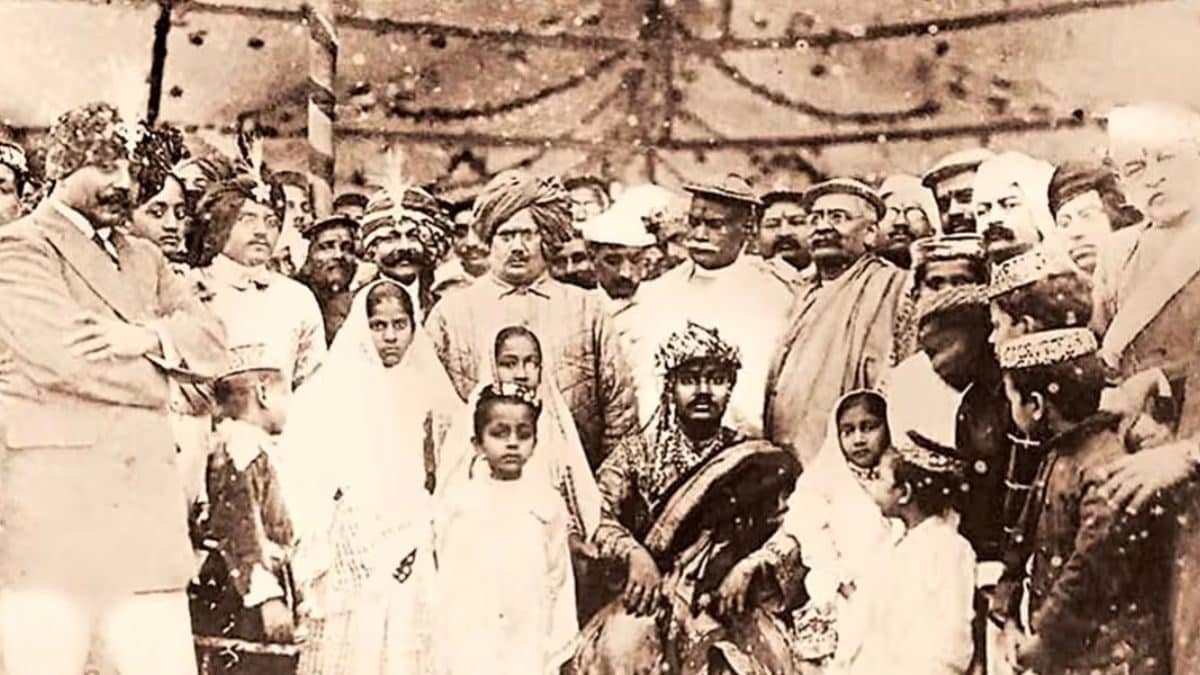
In ancient times, India was known as the land of the golden bird. India was rich in a lot of resources, which made the country favourable for trade. Different countries used to offer gold and silver against the export of various goods, and India accumulated gold from all over the world. There were many rich kings in the country who had accumulated a lot of wealth during their reigns. Before the arrival of the Britishers, the richest people were found in India. One name that was popular during the 18th century was Jagat Seth of Murshidabad, West Bengal. According to reports, he was not just popular for lending money to the common people but also for giving loans to different countries. He was the one who conspired against the Nawabs and financed the Britishers to win the Battle of Plassey.
Before the invasion of the Britishers, Jagat Seth was considered one of the richest people in India. He was originally known as Fateh Chand but was given the title of Jagat Seth by Muhammed Shah in 1723. After adopting the title, his whole family was known as the Jagat Seth Family. His new name meant ‘Banker of the World’ as he used to offer loans to foreign countries as well in the 18th century. He was considered no less than a bank, as he used to offer loans to Britain as well. According to the documents of the Britishers, the Jagat Seth family had more money than the economy of Britain at that time.
He had offices in various parts of the country, where he used to assist people with loans. There were internal communicators in order to establish smooth trade between cities. His family also used to provide small loans to nawabs and kings during the war. Reportedly, he not only gave money to the British but to the French and Portuguese as well.
After being one of the richest families for a long time, the Jagat Seth family started losing the wealth they had accumulated. They lost control over the land they owned, and many of their properties were destroyed during British rule. The money that was borrowed by the British East India Company was never returned, and slowly they started losing their dominance in the country.