





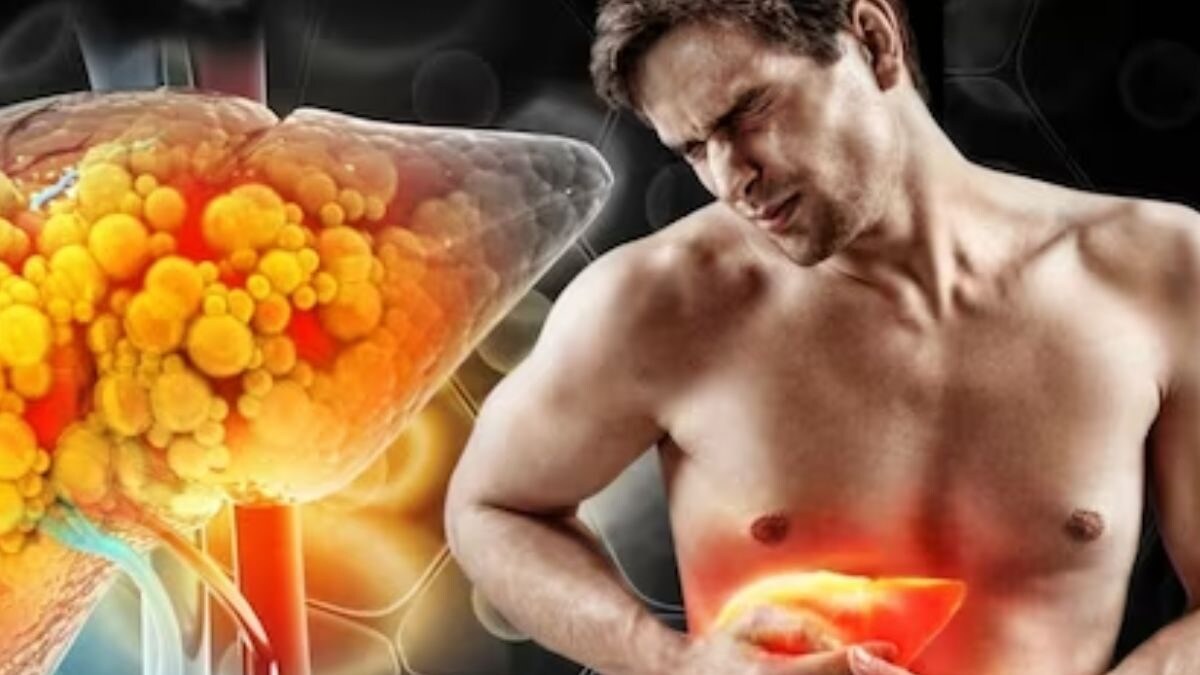
NAFLD is most common in obese people and diabetes patients.
NAFLD is a type of fatty liver disease that is not related to heavy alcohol use.
The liver is one of the most important organs in the human body. It performs various important functions like digesting food, storing energy and removing harmful chemicals. Sometimes, when the liver is infected, the person suffers from fatty liver disease. It is a condition where fat builds up near the liver, which affects the functioning of the organs. There are two main types of fatty liver diseases: alcoholic fatty liver disease and non-alcoholic fatty liver disease (NAFLD).
NAFLD is a type of fatty liver disease that is not related to heavy alcohol use. The liver cells get damaged, which causes inflammation in the liver. This can cause fibrosis, or scarring, of the liver, leading to liver cirrhosis or cancer.
NAFLD is most common in people who have obesity and type 2 diabetes. According to reports, one-third of people with type 2 diabetes have NAFLD. People with obesity, polycystic ovary syndrome, sleep apnea, an underactive thyroid and an underactive pituitary gland are also at increased risk of non-alcoholic fatty liver disease. Let’s look at some of the most common symptoms of NAFLD:
Stomach Bloating
According to the World Journal of Gastroenterology, around 80 per cent of patients who have liver cirrhosis have reported having one or more gastrointestinal symptoms. Among them, around 495 per cent of patients complained of abdominal swelling. When these stomach problems were not treated, they caused damage to the liver, leading to NAFLD.
Abdominal Pain
Sometimes people who have NAFLD show no symptoms except some pain in their abdominal area. They also show symptoms of nausea. It is advised that if the person shows any such symptoms, they should immediately consult a doctor.
Indigestion
According to research, it has been reported that NAFLD increases the risk of gastroesophageal reflux symptoms like heartburn, indigestion and belching. Sometimes people with NAFLD find it difficult to digest their food and experience fullness in the upper side of their abdomen. It has been found that if the treatment is delayed, it can lead to malnutrition and gastric bleeding.