





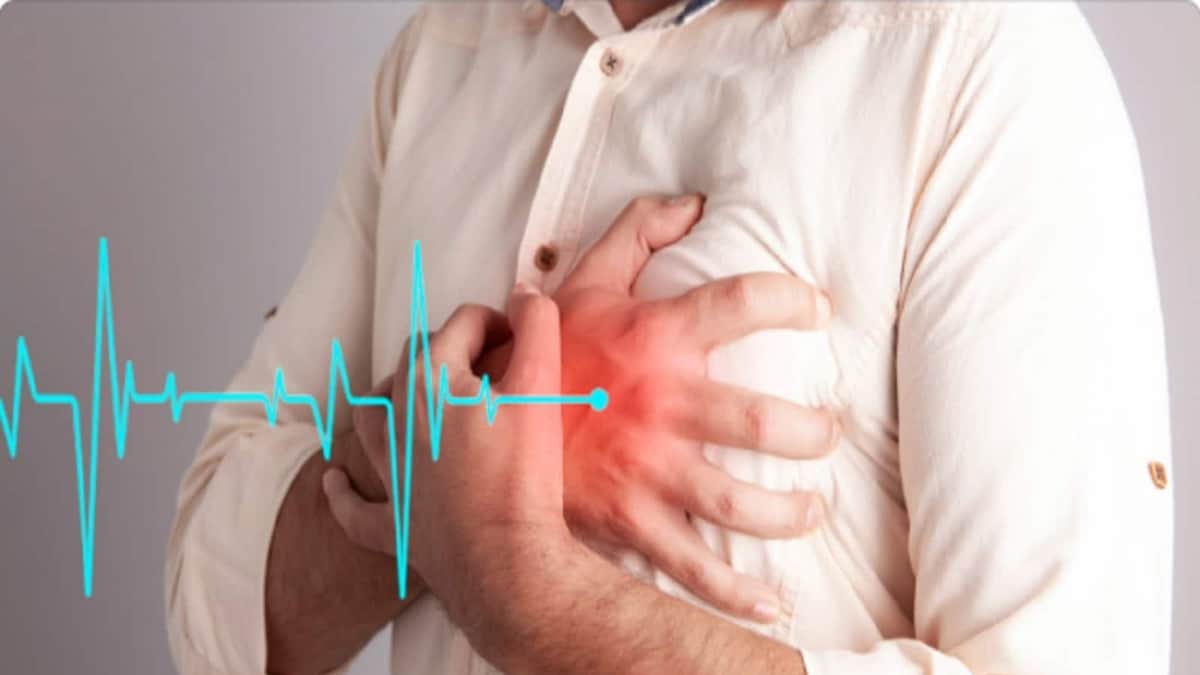
Several preventive measures can help reduce the risk of heart attacks.
According to the experts, the first sixty minutes of a heart attack are crucial.
Dr. Vivek Tandon, Additional Director of Cardiology at Fortis Hospital, shares crucial insights on assisting a person experiencing a heart attack. Acting swiftly during the “golden hour,” the first sixty minutes after an attack, can significantly increase the chances of saving a patient’s life. Studies emphasize that treatment within the first 2 to 4 hours can prevent substantial permanent muscle damage, while delays of 5 to 6 hours put a large part of the heart muscles at risk. Beyond 12 hours, the damage becomes irreversible.
Administering Cardiopulmonary Resuscitation (CPR) to an unconscious patient can dramatically improve their survival prospects. CPR helps maintain blood flow until professional medical assistance arrives. It involves placing hands at the centre of the person’s chest and applying firm and rapid pressure.
Dr Vivek Sharma, an Associate Consultant in the Cardiology Department at Fortis Hospital, highlights Coronary Artery Disease (CAD) as one of the most prevalent and high-risk heart conditions. Individuals who smoke, consume alcohol, suffer from asthma, or have chronic obstructive pulmonary disease face an elevated risk of developing heart ailments.
Several preventive measures can help reduce the risk of heart attacks, such as daily exercise, tobacco and smoking avoidance, adopting a nutrient-rich diet, scheduling regular heart check-ups, and managing existing health conditions.