



Curated By: Business Desk
Last Updated: August 16, 2023, 12:10 IST
As India commemorates its 76th year of independence, we delve into a time when patriotism and entrepreneurship converged to give birth to enduring consumer goods. The Swadeshi movement, a pivotal chapter in India’s quest for freedom, not only rallied for political autonomy but also kindled the spirit of indigenous innovation to counter English products. The legacy of this movement lives on in several homegrown goods that have stood the test of time, etching their mark in the hearts of generations.
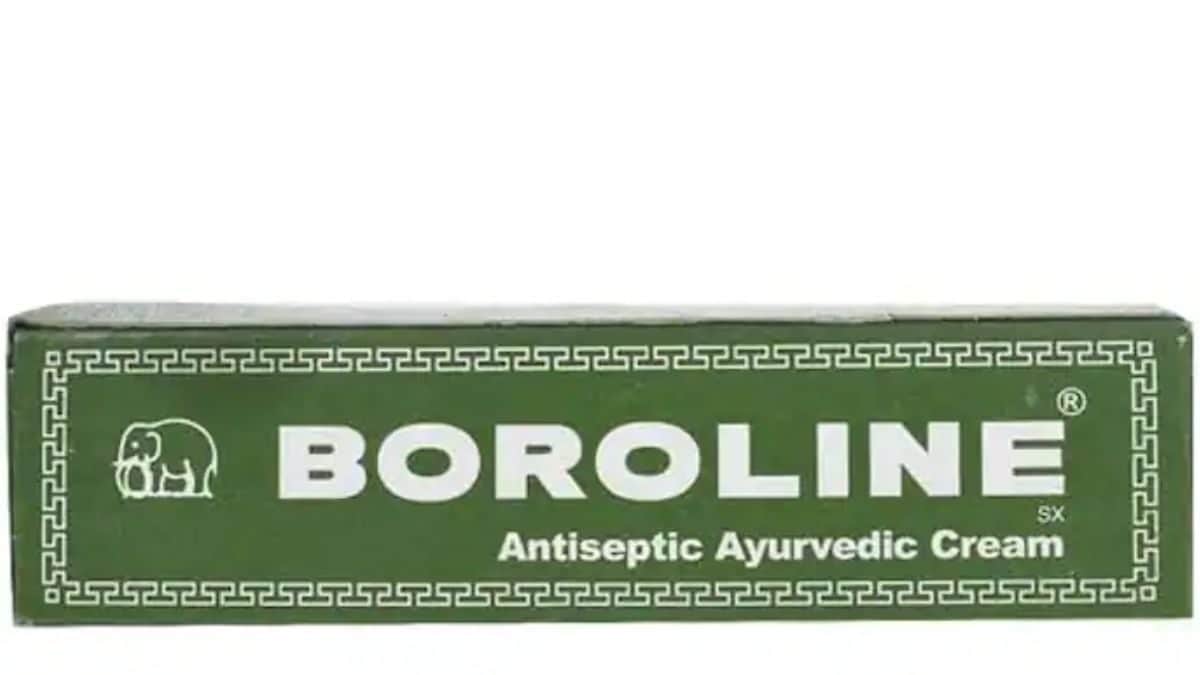
Boroline: A Green Revolution in Skincare
One emblematic figure in this narrative is Boroline, a household name synonymous with skincare. Conceived in 1929 by Gaur Mohan Dutta, a business magnate who embraced the Swadeshi ethos, Boroline was a response to imported British products. The distinctive green packaging, featuring an elephant emblem, earned it the affectionate moniker “Hathiwala cream” in rural India. Today, after 94 years, Boroline’s legacy continues, a testament to its effectiveness and the enduring spirit of Swadeshi.
Rooh Afza: Nectar of Resilience
Hakim Hafiz Abdul Majeed’s creation, Rooh Afza, emerged as a refreshing antidote to the blistering Indian summers. Born in 1907 in the heart of Old Delhi, Rooh Afza’s herbal sherbet offered solace from the scorching sun. Over a century later, it still graces countless households, a tribute to the timeless appeal of indigenous remedies.
Mysore Sandal Soap: The Aromatic Emblem
In 1916, as the winds of change swept through pre-independence India, the Mysore Sandal Soap made its fragrant debut. Encased in a box adorned with captivating green and red hues, this soap became an aromatic symbol of Swadeshi resilience. King Krishna Raja Wadiyar IV of Mysore played a pivotal role in establishing the government soap factory in Bangalore, further nurturing the spirit of self-reliance.
Parle-G: Nurturing Generations of Taste
No discussion of enduring Indian brands would be complete without a mention of Parle-G. The iconic yellow wrapper, adorned with an endearing young girl, has graced generations of pantries. Mohanlal Dayal, an astute Mumbai businessman, channelled his Swadeshi spirit into a disused factory in 1929, birthing Parle-G biscuits. This beloved treat, designed with the everyday Indian in mind, continues to be a cherished companion, bridging the past and present.